
A Prairie Shared by Two Peoples
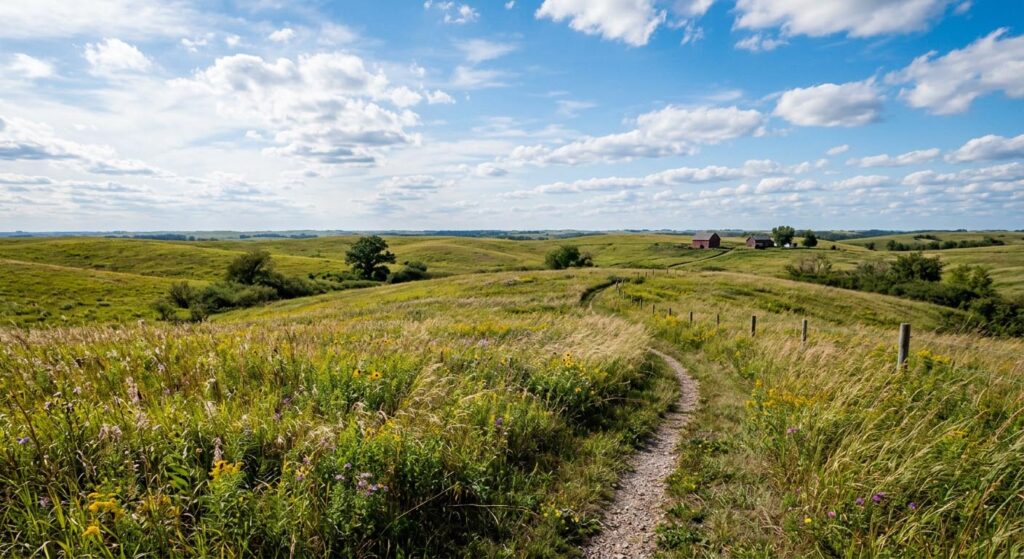 Early 20th‑century Iowa was a landscape shaped by two powerful immigrant streams — German and Irish — whose histories, cultures, and faith traditions intertwined in ways that were sometimes collaborative, sometimes tense, and always deeply influential in building the state’s identity. Their relationship was not defined by open violence, but by competition for cultural space, conflicting visions of Catholic life, and the pressures of World War I‑era nationalism that reshaped both communities.
A Prairie Meant to be Shared
By 1900, Germans and Irish were among Iowa’s most prominent ethnic groups. Germans were extraordinarily widespread — settling in every county and making up half of all Iowa farmers by 1920. Irish communities, though smaller, held disproportionate influence in church leadership, public institutions, and English‑language civic life.
German Iowa: Prosperous, Diverse, and Deeply Rooted
German immigrants arrived in waves throughout the 19th century, fleeing political upheaval, military conscription, and economic instability. They built farms, breweries, cooper shops, and parochial schools, forming tight-knit communities with strong cultural institutions. German identity in Iowa was regionally diverse — Prussian, Bavarian, Swabian, Schleswig‑Holstein, Swiss German, and more — each with its own clubs, choirs, and newspapers.