
Irish Iowa: Clerical Power and Cultural Influence
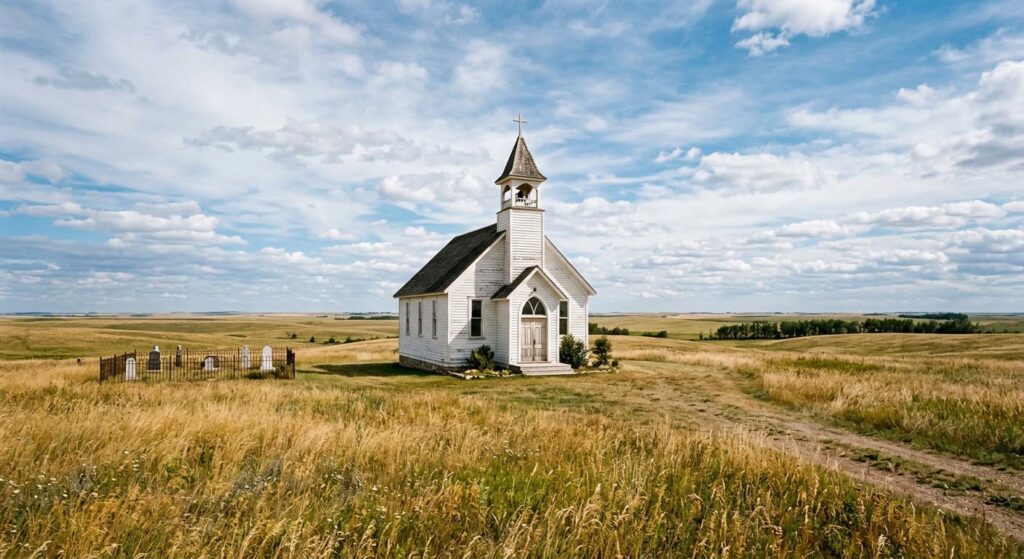 Irish immigrants, many arriving earlier and speaking English, often rose to leadership in Catholic dioceses, school boards, and municipal government. Their dominance in the Church — especially in dioceses like Dubuque — meant that German Catholics frequently found themselves governed by Irish clergy who favored English‑language liturgy and Americanization.
This imbalance created a quiet but persistent tension:
- Germans controlled land and local economies.
- Irish leaders controlled church governance and education.
Cooperation and Conflict in Daily Life
Despite shared Catholic faith and rural lifestyles, Germans and Irish often maintained separate parishes, schools, and social networks. Linguistic barriers reinforced this divide: many first‑generation Germans never fully mastered English and relied on more than 60 German‑language newspapers across the state.
Points of Cooperation
- Joint civic projects in towns like Davenport and Dubuque
- Shared participation in agricultural fairs and political movements
- Intermarriage in some communities but slowly in rural communities
- Mutual support during economic crises, especially the Great Depression
Points of Tension
- Disputes over parish control, especially language of worship
- Conflicts between German cultural traditions (beer halls, “Continental Sunday”) and Irish‑influenced temperance movements
- Competition for leadership roles in Catholic schools and civic organizations
- Stereotypes rooted in Old World memories — Germans seeing Irish clergy as authoritarian; Irish seeing Germans as insular or resistant to Americanization
These tensions rarely erupted into violence, but they shaped the emotional and cultural landscape of early 20th‑century Iowa.
World War I: The Breaking Point
Nothing strained German–Irish relations more than World War I. Anti‑German sentiment swept the nation, and Iowa became one of the most aggressive states in enforcing “Americanization.”
The Babel Proclamation (1918)
Governor William Harding’s infamous order declared English the only legal language in public or private schools, religious services, phone calls, and public conversations.
German Iowans were:
- Reported for speaking German
- Harassed or publicly humiliated
- Forced to buy Liberty Bonds
- Targeted by vigilantes
- Pressured to change their names, street names, and even town names
Irish clergy, already advocating English‑language worship, often supported these measures, believing they would unify parishes and strengthen national loyalty. German Catholics, who had built Iowa’s parochial school system and funded many churches, felt betrayed and marginalized.
Aftermath
When wartime restrictions lifted, German communities rebuilt, but the German language never regained its former prominence. Many families abandoned German entirely, accelerating assimilation and reducing the cultural distance between Germans and Irish.
A New Relationship in the 1920s–1940s
By the 1930s, the sharpest ethnic divides had softened. The Great Depression and World War II created shared struggles and patriotic unity. German Americans were no longer viewed with suspicion, and Irish Americans increasingly saw German neighbors as fellow contributors to Iowa’s prosperity.
Final Reflection
The story of Germans and Irish in early 20th‑century Iowa is not one of open conflict, but of parallel cultures negotiating space, identity, and influence on the prairie. Their relationship — sometimes strained, often cooperative — but seldom intermarried-helped define Iowa’s character: hardworking, faith‑rooted, community‑oriented, and shaped by the memories of two peoples learning to live side by side.